Comprehensive Overview of Cell Therapy Innovations
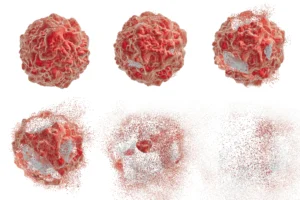
Cell therapy represents a transformative approach in the treatment of various diseases, including cancer and genetic disorders. By utilizing living cells to treat or prevent disease, these therapies harness the body's own mechanisms to promote healing and recovery. The advancements in cell therapy have opened new avenues for personalized medicine, allowing treatments to be tailored to individual patients based on their unique biological makeup.
Innovations in cell therapy include the development of engineered T cells for cancer treatment, stem cell therapies for regenerative medicine, and the use of gene editing technologies like CRISPR. These breakthroughs have not only enhanced the efficacy of treatments but also expanded the range of conditions that can be addressed through cell-based interventions, making them a focal point of modern biomedical research.
Understanding Biomarker Controls in Cell Therapy
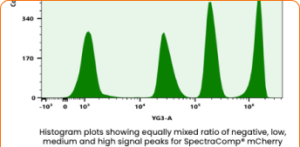
Biomarker controls play a crucial role in ensuring the accuracy and reliability of cell therapy outcomes. These controls help in monitoring the quality and functionality of cellular products, providing essential data that can influence treatment decisions and regulatory compliance. By implementing robust biomarker controls, practitioners can better assess the therapeutic potential of cell-based treatments.
For instance, the use of standardized biomarker controls allows for consistent evaluation across different laboratories and clinical settings. This standardization is vital for the validation of therapeutic efficacy and safety, particularly in clinical trials where regulatory scrutiny is paramount. As cell therapy continues to evolve, the integration of advanced biomarker controls will be essential for maintaining high standards of patient care.
The Role of Flow Cytometry in Cell Therapy
Flow cytometry is an indispensable tool in the field of cell therapy, enabling researchers and clinicians to analyze the physical and chemical characteristics of cells in a fluid stream. This technology allows for the rapid and precise measurement of multiple parameters at once, facilitating the assessment of cell health, viability, and functionality. Its application in cell therapy is crucial for monitoring treatment outcomes and optimizing therapeutic protocols.
Moreover, flow cytometry aids in the identification of specific cell populations, which is vital for therapies that rely on targeted cell types. By providing detailed insights into cellular behavior and characteristics, flow cytometry enhances the ability to develop effective cell-based treatments and ensures that therapies are both safe and effective for patients.
Future Trends in Cell Therapy and Biotechnology
The future of cell therapy and biotechnology is poised for significant advancements, driven by ongoing research and technological innovation. Emerging trends include the use of artificial intelligence to enhance treatment personalization, the development of off-the-shelf cell therapies, and advancements in manufacturing processes that increase scalability and reduce costs. These trends are set to revolutionize the accessibility and effectiveness of cell therapies worldwide.
Additionally, the integration of novel delivery mechanisms and combination therapies is expected to enhance the therapeutic potential of cell-based treatments. As the field progresses, collaboration between academic institutions, industry leaders, and regulatory bodies will be essential to navigate the complexities of bringing innovative therapies to market while ensuring patient safety and efficacy.